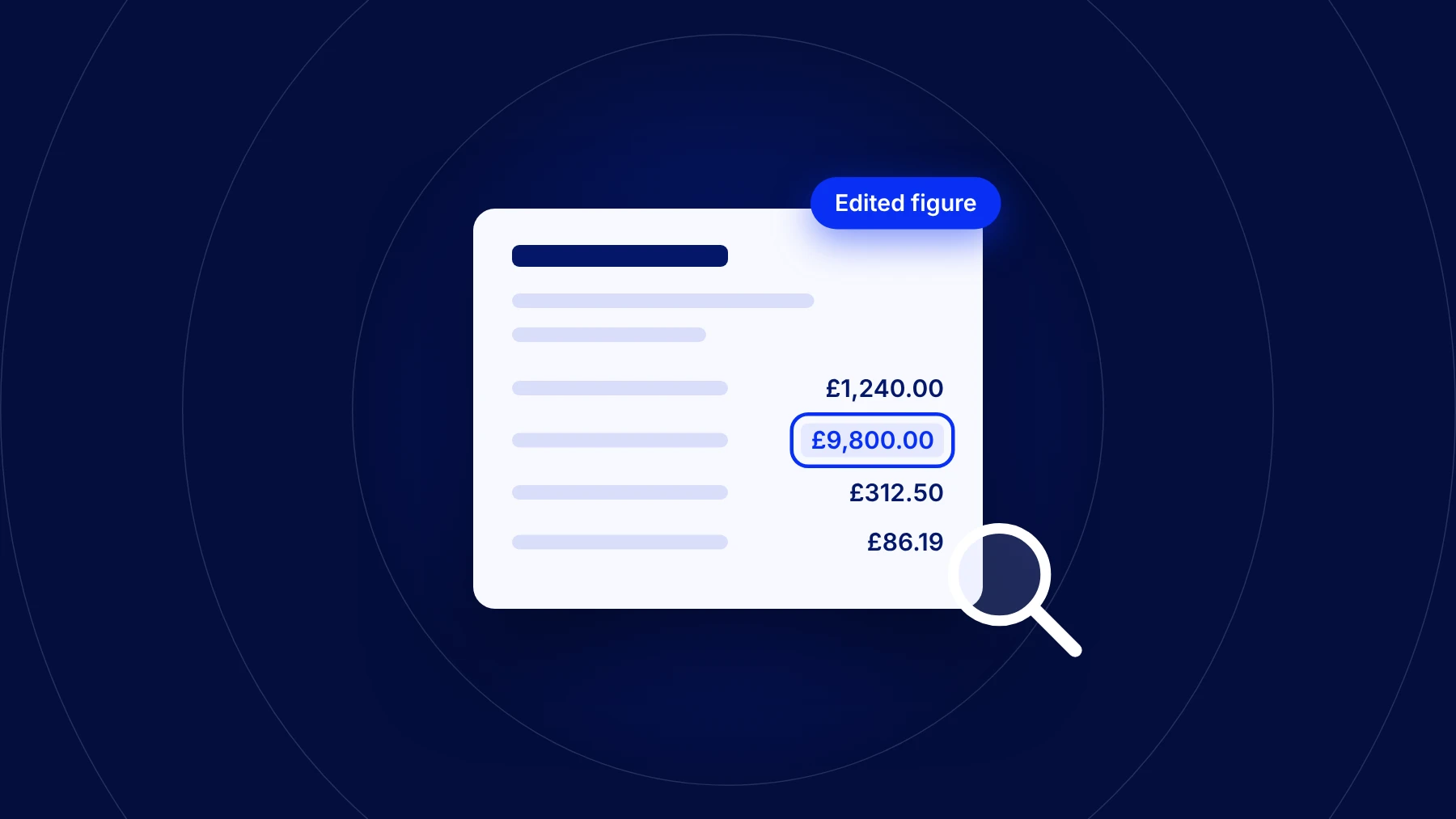
Digital identity verification plays a huge role in businesses across many verticals as it is the process of identifying and validating that an applicant is exactly who they say they are beyond any doubt.
Many companies, whether it be mortgage brokers, letting agencies, online casinos, travel agents, banks, insurance companies, alcohol vendors or crowdfunders will need to use digital identity verification methods in order to comply with certain industry standards.
What are the reasons why a company would need to verify someone's identity?
As we've just mentioned many companies will need to comply with industry standards. Some examples:
Protecting People Underage
For example, alcohol and gambling companies have a duty to protect underage people from using and becoming addicted to, their services that have been sanctioned for adults only.
Anti-Money Laundering
In the financial services sector, there has been an increasing focus on KYC checks (Know your Customer) and AML (Anti-Money Laundering) regulations to prevent the financing of illegal activities.
Fraud Prevention
Additionally, online verification is crucial in detecting any potential fraudulent activities. With the widespread use of digitisation, identity fraud and theft is more prevalent than ever, causing excessive financial losses for unwitting businesses across the board. Financial institutions need to be smarter and more thorough in their checks when verifying the identity of applicants to protect themselves and customers from being victims of financial crimes.
Unfortunately, manual identify verification just doesn't cut the mustard anymore as it cannot ensure security. People are getting smarter. Illegitimate passports can seem real to the naked eye. In fact, having a stringent digital verification process not only spotlights fraudsters from the outset, but also acts as a preventative measure against those who plan on committing fraud over and over again. Document, identity, and PDF verification go a long way to protect businesses as well as people.
The 5 steps of ID Verification
ID verification is completed in five steps:
Obtaining evidence
Checking the validity of the evidence
Checking how long the evidence has existed
Checking its susceptibility to fraud
Checking information correlates to the person that has provided it
Within each of these steps, numerous stages must be followed to produce a confidence value in the ID verification process.
So, what are the flaws of manually going through these five steps?
Government Issued IDs
With governments constantly tweaking and making changes to IDs issued to the public, it becomes challenging for financial institutions to detect where an ID may not be legitimate, as there are subtle inconsistencies across all different types of IDs. Fraudsters use this to their advantage alongside the super advanced technology in today's age to thwart checks.
Inconvenient and Time-Consuming
Manual ID checks require time and manpower to ask customers questions and wait for a result regarding their verification. However, the transition to digitalised ID verification completely negates the time element of the process. Online fraud checks, like the document verification analysis software built by Fraudfinder, take seconds to run and flag document modifications that a manual check would miss.
Human Service
Manual ID systems require employees to ring customers and gain their personal information, which increases the susceptibility to fraud. Furthermore, human error is a significant risk when staff gather customer information and attempt to verify them.
Inconsistencies
As humans enact manual verification, there are inconsistencies in the intensity of checks being carried out across the board. This makes it easier for fraudsters to slip through the manual verification net.
Outdated Processes
With the rise of the digital world and the transition of most, if not all, financial services in the form of digitalisation, manual ID verification is significantly behind, costing time, human resources and money and carries a considerable susceptibility to fraud.
What is digital identity verification?
The 'Digital' in Digital ID verification is revolutionary in increasing accuracy, saving vast amounts of money, staffing and time. It lessens the requirement for the applicant to be present or involved in the process past providing documentation. Utilising features such as face recognition and biometric verification can be done via apps and technology at pace & scale.
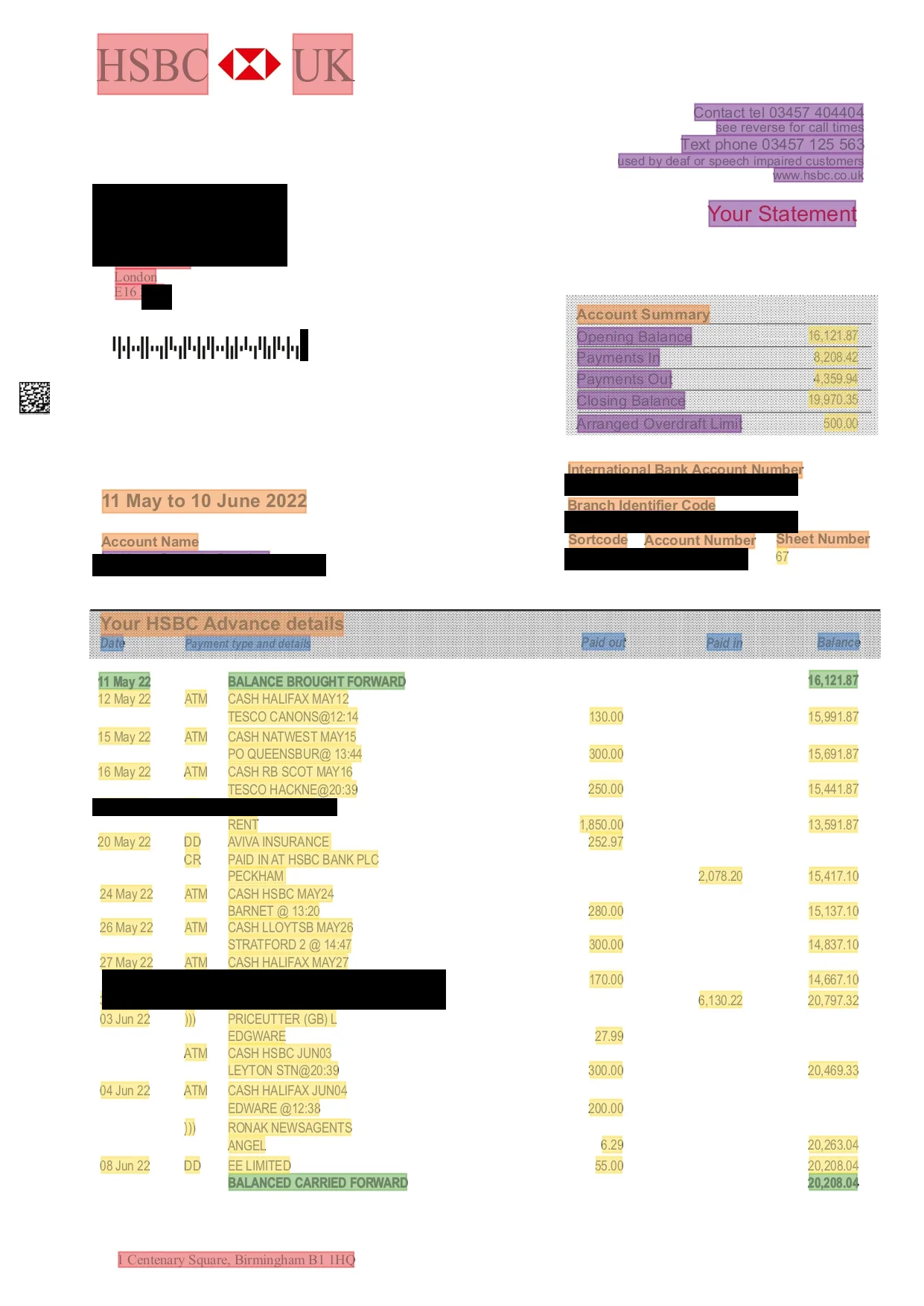
For Fraudfinder (then Homeppl), which began in advanced reference checks for renting, identity verification is completed via our fraud detection technology made up of document analysis, behavioural analysis, affordability assessment, and open banking referencing. Whilst our complete reference checks take just under a day to complete, the digital verification of tenants' passports, residential documents, bank statements and payslips and any other proof of address or affordability is completed in seconds.
In verifying the applicant's identity, financial institutions protect themselves and customers from falling victim to fraudulent crimes, which have seen a skyrocketing increase as technology advances.
How do digital identity verification companies work?
Digital identity verification companies will strive to prove the legitimacy of the document or person involved with the application.
For instance, the way Fraudfinder operates is the following:
An applicant uploads a passport, utility bill or bank statement as part of their application
The Fraudfinder technology stack will read the meta data and authenticity of the information and document format provided
The technology will tell us if there is any fraudulent activity present
Our analysts return a risk report so the client can approve or reject the applicant
Biometric verification and liveness detection use extremely advanced tech to analyse selfies supplied by applicants to ensure that they are genuine and have not been modified.
Using facial recognition algorithms, the selfie provided is analysed and compared to the pre-verified government document provided (such as a passport) to determine whether the applicant is the same person in the document. Liveness detection uses a smile or a blink to assess the applicant and avoid fraudulent behaviour accurately.
In a nutshell
Put simply, a formidable digital ID verification process provides nearly instantaneous and accurate checks saving vast amounts of time, effort and money. It prevents the vulnerability of financial institutions to fraud and potential financial crimes. Furthermore, it often results in a much better customer experience as you are saving the applicant time as well.
Biometric and face authentication, document analysis and other technologically driven checks reduce the risk of fraud in businesses across the globe and comply with essential AML and KYC regulations that are in place to protect both businesses and consumers.